The Formal Proceedings
In January 2026, the California Commission on Judicial Performance initiated formal proceedings against Robert S. Draper, a judge of the Los Angeles Superior Court. The allegations, according to public filings, include willful misconduct, bias, disclosure of sensitive materials, and other failures of judicial conduct.
Draper is 84 years old. His term as judge has extended decades. His judicial record, by his own and supporters' accounts, is distinguished — a former trial lawyer, a jurist with experience across a wide range of cases. And yet, in the final years of his career, he finds himself facing the state's highest judicial disciplinary body.
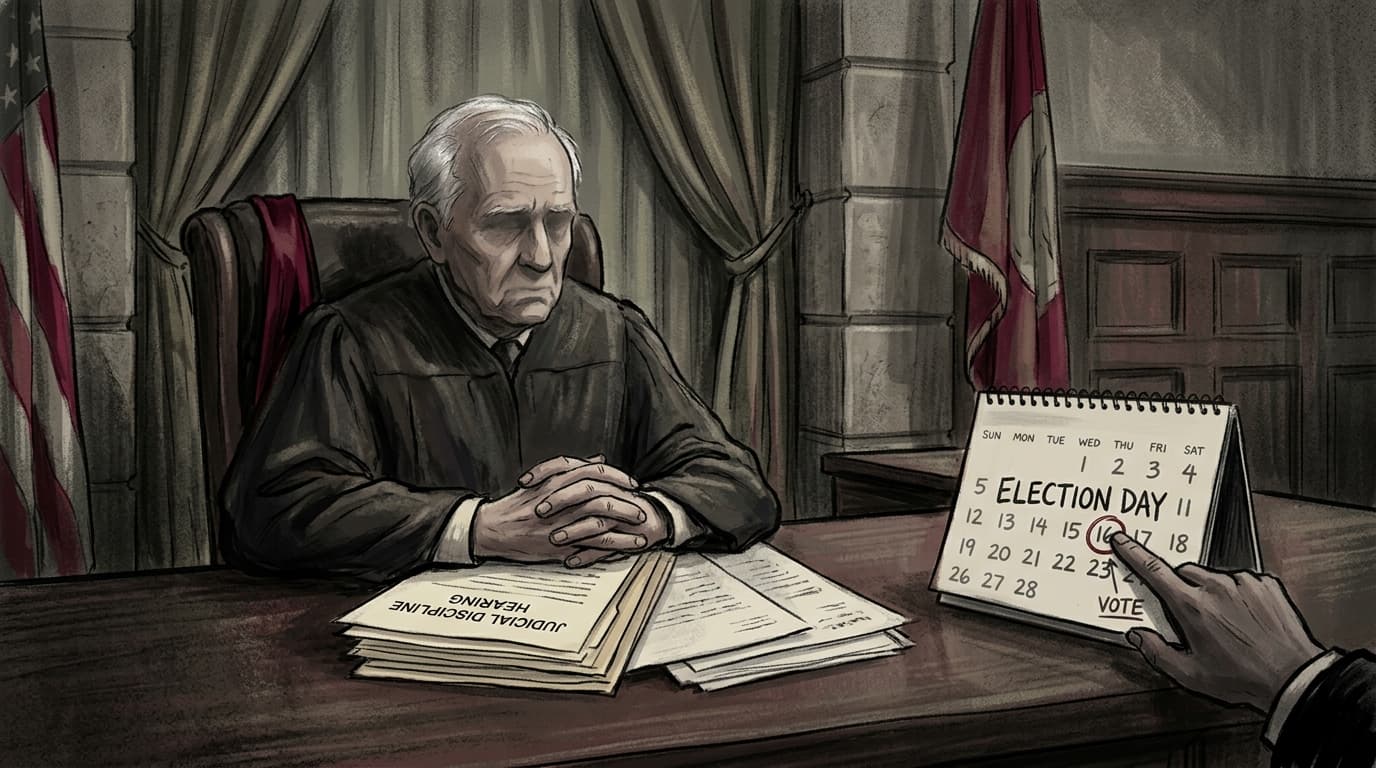
A public hearing on the charges was scheduled for April 27, 2026. The Commission announced it would hold that hearing before the June 2 election — a move that would place Draper's disciplinary fate directly in the public eye while he campaigned for another term.
The Timing Question
Draper proceeded with his re-election campaign even as the formal proceedings unfolded. That is his legal right — judges facing discipline can seek re-election, and voters can judge both the candidate and the allegations simultaneously. But the compressed timeline created an unusual situation: a judge running for office in the same election cycle in which he faced a public disciplinary hearing.
The Commission on Judicial Performance does not typically conduct public hearings on disciplinary matters. Judicial discipline is often confidential. The decision to hold a public hearing before Draper's election was unusual, and it appears to have been driven by the timing of the election itself — the Commission wanted the hearing to occur before voters decided whether to return him to the bench.
What We Know and Don't Know
The specific allegations against Draper remain opaque. The Commission's filings refer to "willful misconduct," "bias," and "disclosure of sensitive materials," but do not elaborate. Draper filed an answer to the charges, but the substance of that answer is not publicly available in detail.
One source, reporting before the April hearing, suggested that the Commission's case was strong and that Draper's removal was "inevitable." But that was analysis, not fact. The outcome of the April hearing, if it occurred, has not been widely reported in the sources available to The Ethics Reporter.
This opacity is typical in judicial discipline. Even when formal proceedings are public, the underlying allegations and evidence are often summarized in vague language. A judge can be found to have committed "willful misconduct" without the public ever learning exactly what he did.
Age and Continued Service
Draper's age — 84 — raises a separate question about judicial fitness that is not addressed in the Commission's public filings. State bars and disciplinary bodies sometimes consider age and cognitive ability in deciding whether a judge should remain on the bench. Whether the Commission considered Draper's age as a factor in its proceedings is not disclosed.
Judicial retirement is a voluntary choice in most states. Judges can continue serving as long as they are elected or appointed. There is no mandatory retirement age in California. Draper's continued pursuit of re-election at 84, while facing formal discipline, is both his legal right and a matter about which voters have the right to know.
The Outcome
As of the publication date of this article, The Ethics Reporter has not located a final determination in Draper's case. The April 27 hearing may have occurred, but no public decision appears to have been issued, or at least not widely reported. Draper's re-election status as of August 1, 2026, is unclear from available sources.
If a determination has been made and not widely publicized, that itself is notable — a judge facing formal proceedings for willful misconduct and bias, with a hearing scheduled before his election, returning to the bench in silence.
A Note on Sources
This article is based on reporting from the Metropolitan News Group (January 21, April 3, February 17, 2026), factually.co (May 25 and 27, 2026), and filings from the California Commission on Judicial Performance. The Commission and Judge Draper did not respond to requests for comment before publication.
The Ethics Reporter is an independent legal accountability publication. We rely entirely on reader donations to fund this work. If this reporting matters to you, please consider supporting us at theethicsreporter.com/donate. Even $1 keeps the lights on. Thank you.