August 11, 2026
A lawyer who knows that another lawyer has committed a violation of the Rules of Professional Conduct that raises a substantial question as to that lawyer's honesty, trustworthiness or fitness as a lawyer in other respects, shall report such knowledge to the appropriate professional authority.
Rule 8.3 — sometimes called the 'snitch rule' — imposes a duty on attorneys to report serious misconduct by other attorneys to the appropriate disciplinary authority. The duty applies when the attorney has actual knowledge (not mere suspicion) of a violation that raises substantial questions about the other lawyer's honesty, trustworthiness, or fitness. Rule 8.3 is frequently honored in the breach: lawyers are reluctant to report colleagues, and the rule's enforcement is limited by its knowledge threshold and the professional culture that discourages reporting. The duty does not apply to information protected by the attorney-client privilege.
Failure to report under Rule 8.3 when the duty applies can itself result in discipline. However, Rule 8.3 is among the least-enforced rules in the profession, in part because it requires actual knowledge of the reportable violation and in part because of the practical difficulties in proving that an attorney knew of misconduct and failed to report. Rule 8.3 prosecutions are rare but do occur in cases where the failure to report was egregious.
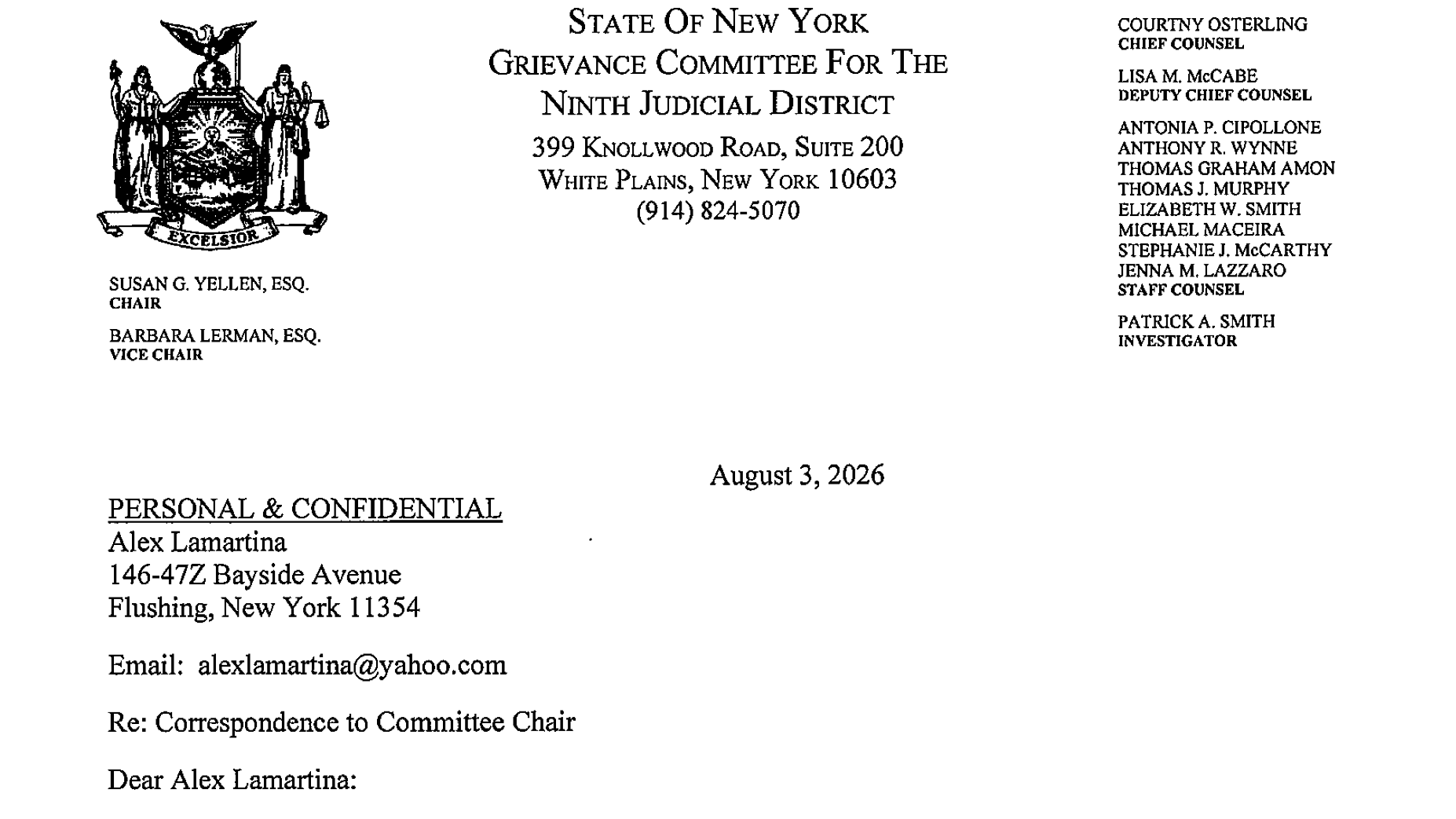


If you believe your attorney violated Rule 8.3 — Reporting Professional Misconduct — you may have grounds for a bar complaint. Our guide explains the process.
The Ethics Reporter investigates attorney misconduct and judicial corruption. Help us keep this work free and independent.
Donate to Support Our Work