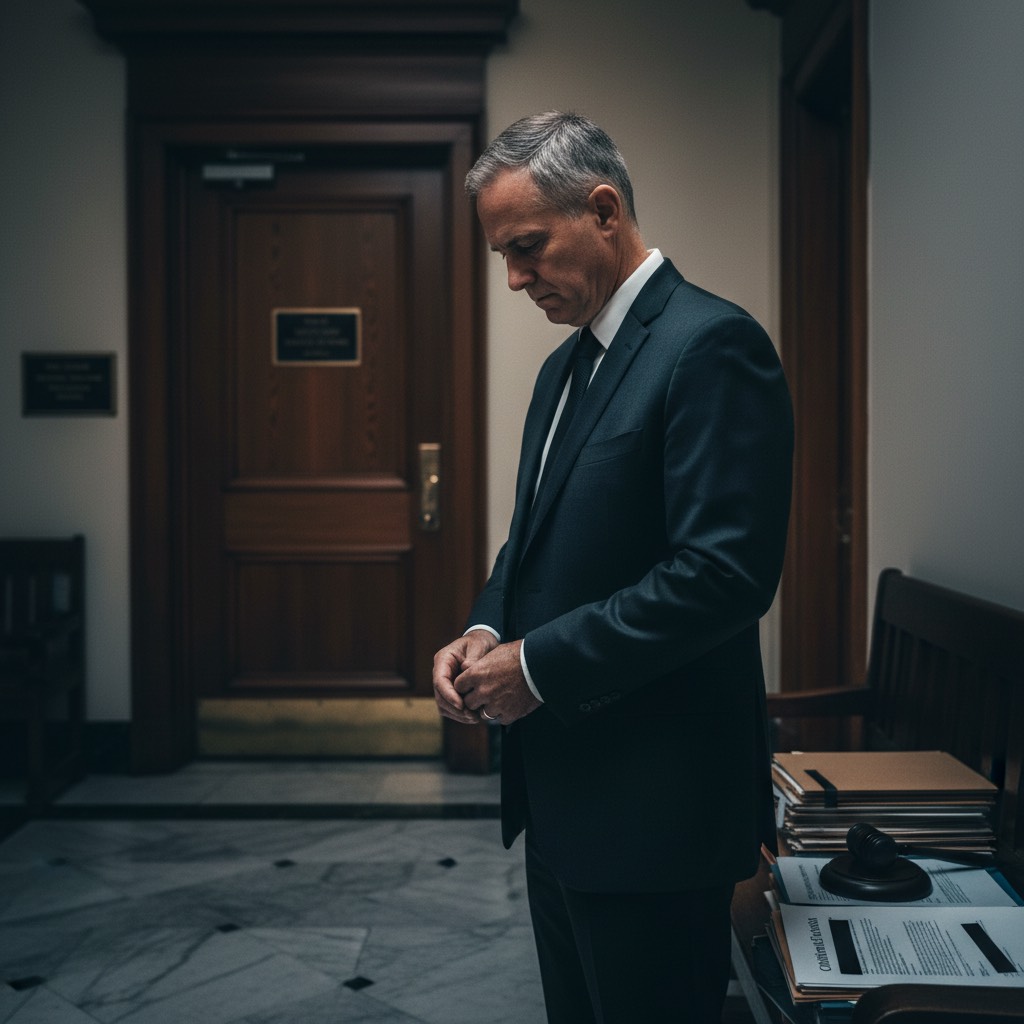
The case of James K. Wisco is a distressing example of a trusted public servant and attorney who succumbed to a personal vice, leading to a catastrophic betrayal of public trust. Wisco, who once served as a respected Martinsville City Councilman and Morgan County Attorney in Indiana, had his legal career terminated and his reputation ruined after he pleaded guilty to a string of felonies for stealing over $160,000 from his clients and the local government.
His journey from community leader to convicted felon reveals the devastating consequences of unchecked addiction and a profound lapse in professional ethics.
The Criminal Breach of Trust
Wisco’s misconduct was not a single mistake but a pattern of criminal activity that went undiscovered for a period, with his victims including those who relied on him during vulnerable times.
The Charges and Guilty Plea
The investigation, launched by the Indiana State Police, uncovered evidence of systemic theft and forgery. Wisco was initially charged with multiple felonies, including theft, counterfeiting, corrupt business influence, and official misconduct.
In January 2025, he agreed to a plea deal, formally pleading guilty to seven counts of Level 6 felony theft. In doing so, he admitted to stealing funds from multiple sources:
- Clients: He took money intended for clients in sensitive matters like divorce and estate proceedings.
- Morgan County: He stole approximately $11,000 from the very county he was sworn to represent as its attorney.
In total, Wisco’s actions amounted to theft and forgery exceeding $160,000.
The Sentencing
In April 2025, a special judge handed down a severe sentence that underscored the gravity of Wisco’s breach of fiduciary duty:
- Prison Sentence: Wisco was sentenced to nine years in prison, with a portion of the time suspended. He was ordered to serve four years in prison followed by five years of probation.
- Restitution: He was ordered to repay the victims over $164,000 in restitution.
The Role of Gambling Addiction
During sentencing, evidence was presented that Wisco’s criminal actions were primarily driven by a severe, untreated gambling addiction. This context did not absolve him of his crime, but it did provide insight into the motivation behind his devastating decisions.
The court acknowledged the testimony showing Wisco had been a helpful and well-respected citizen but stated that his addiction had completely overpowered his judgment. The severity of this mitigating factor was tempered by the aggravating factor that he stole from victims over the age of 65 and that he was in a position of supreme trust.
As a condition of his plea, the court enforced:
- Mandatory Treatment: Wisco must continue intensive treatment for his gambling addiction.
- Lifetime Ban: He faces a lifetime ban from any form of gambling.
The Legal Ramifications: Suspension and Disbarment Pending
The Indiana Supreme Court responded swiftly to Wisco’s legal status, layering suspensions that effectively ended his ability to practice law:
- Suspension for Non-Cooperation: Earlier in 2024, Wisco was suspended for failing to cooperate with the Indiana Supreme Court Disciplinary Commission’s investigation into three separate grievances filed against him. This was later converted to an indefinite suspension.
- Administrative Suspension: He was also administratively suspended for failing to meet mandatory Continuing Legal Education (CLE) requirements.
- Interim Suspension for Felony: Following his official guilty finding to the felony charges in July 2025, the Supreme Court issued an Order of Interim Suspension, effective immediately. This is the most serious disciplinary step, often preceding a final disbarment action.
Wisco’s license to practice law in Indiana remains indefinitely suspended. For him to ever apply for readmission, he would first have to cure the cause of all his suspensions—including the criminal conviction—and successfully petition the Supreme Court for reinstatement, a highly improbable path given the felony theft and breach of trust.
A Lesson in Legal Ethics
The case of James K. Wisco serves as a harsh lesson for all attorneys. It demonstrates that professional standing, public office, and a history of good deeds offer no immunity from the consequences of criminal behavior. When a lawyer’s personal crisis or vice—whether it be substance abuse, financial distress, or, in this case, a gambling addiction—leads them to steal from the very clients and institutions they swore to protect, the damage to the profession is immense.
Ultimately, the Indiana Supreme Court’s action reinforces the core principle of legal ethics: the privilege to practice law requires absolute fidelity to the law and to the trust placed in an attorney by the public.